Another “beast” in the Baltic
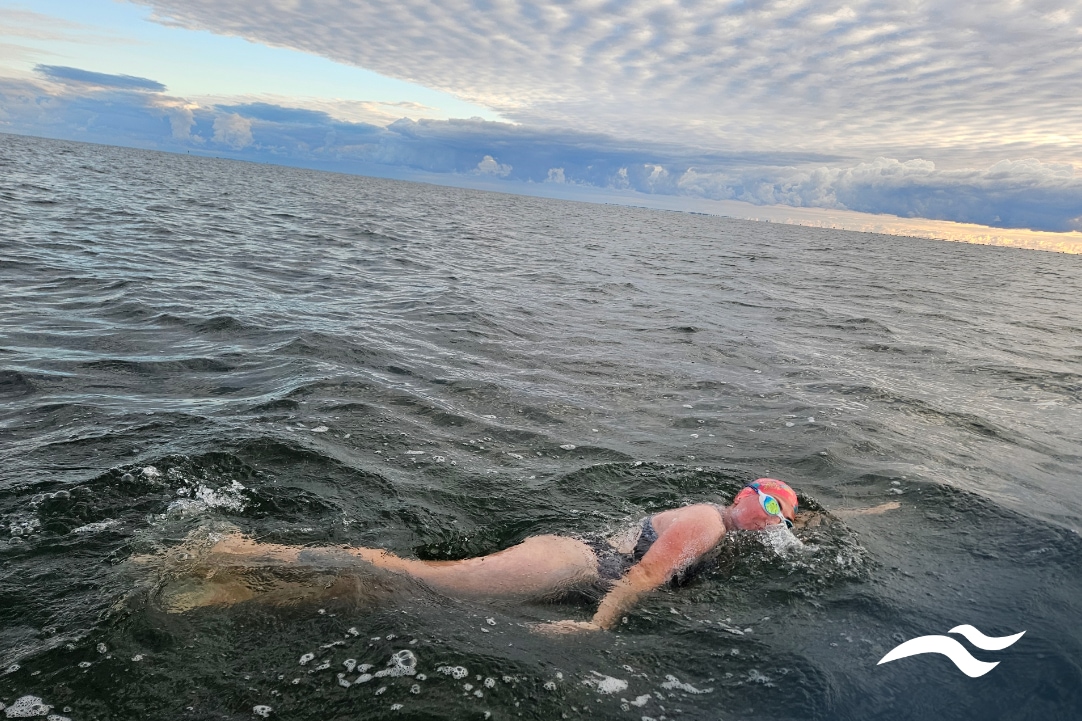
When should you start training with the goal of swimming across the Gulf of Gdańsk? Is physical preparation enough, or is it worth starting mental training already now? What equipment works best in the challenging waters of the Baltic? We talk to one of the Beasts of the Baltic, Martyna Górajewska, who swam across the Gulf to find out for herself what it’s like and who, together with Piotr Biankowski and Aleksandra Kabelis, prepares crossings for other thrill-seeking amateurs as part of Baltic Sea Beast.
Where did the idea of swimming across the Gulf of Gdańsk come from?
Did you want to test yourself, use it as a way to promote yourself and what you do, to build a personal brand? Or was it a desire for adventure?
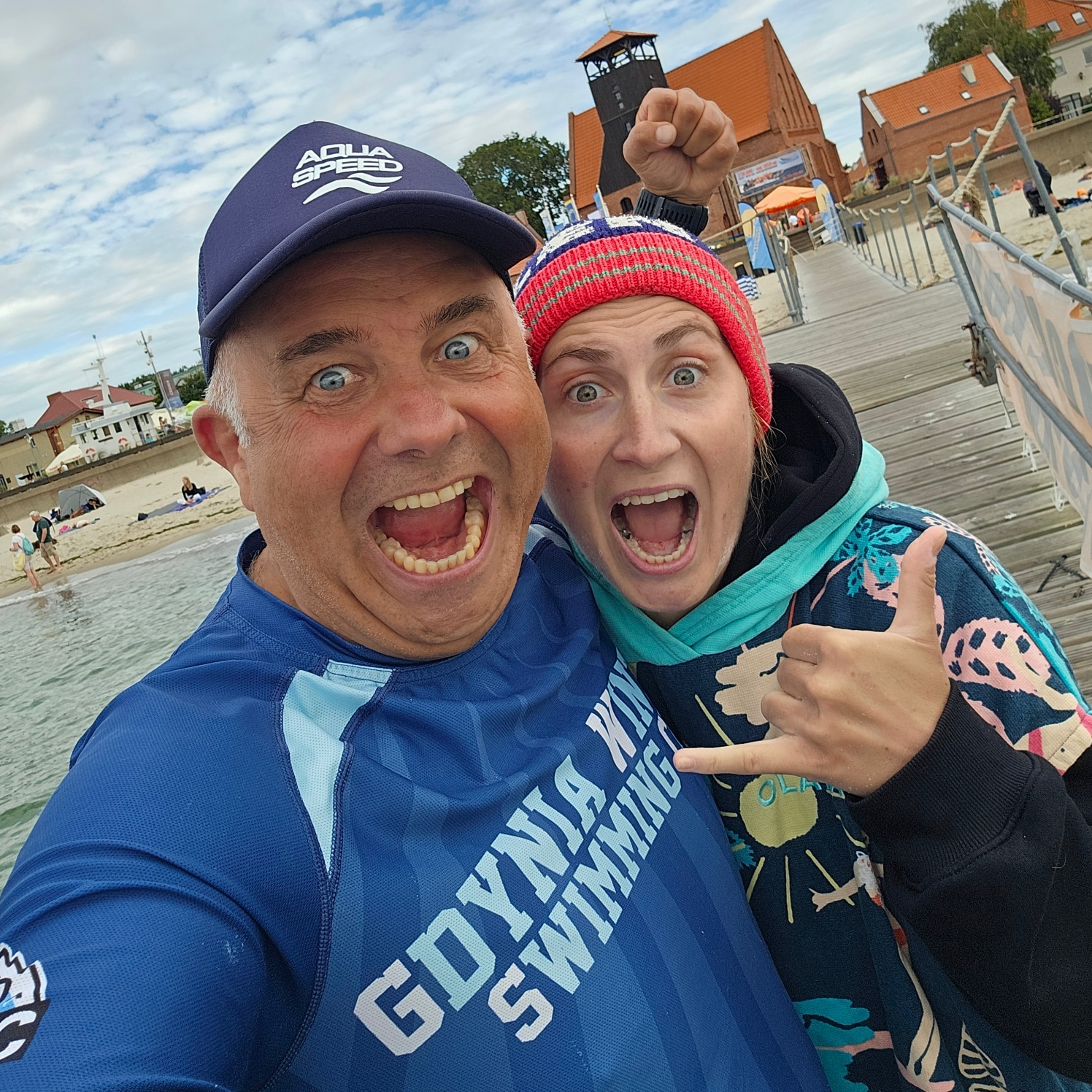
The idea had been growing in me ever since I started working with the Baltic Sea Beast team – Piotr Biankowski and Ola Kabelis. Thanks to them I entered the world of open water swimming. For me it was above all the need to test myself – both physically and mentally. I wanted to feel what all the swimmers taking on the Polish Classic feel. And since, together with Baltic Sea Beast, we organise such crossings for others, it was only natural that sooner or later I would experience it first-hand. [smiles] I’ve already done a few longer distances, for example together with the BSB team we swam the Chałupy–Puck route, which is about 7 km. I also did regular training sessions in the Gulf of up to 5 km.
How did your preparations go?
When did they start, what did they involve, and what turned out to be important, and what didn’t really matter?
I made the decision to attempt the swim in February. My preparations weren’t “by the book” – there were weeks when I trained in the water 3–4 times, and others when I only managed to jump in once. Besides open water, I swim at MKP Gdańsk, where coach Jarek Błażek found a spot for masters swimmers like me. It’s incredibly valuable for me to be able to train next to young athletes. Thanks to them, I feel a few years younger. [smiles] In addition to swimming, I always try to maintain overall activity: cycling, running, strength training… Summer was the hardest, because organizing the Baltic Sea Beast crossings took up a lot of time. Paradoxically, I was training less then, but I was still in a constant “water” rhythm.
What was the most difficult part of the crossing, and what brought pure enjoyment?
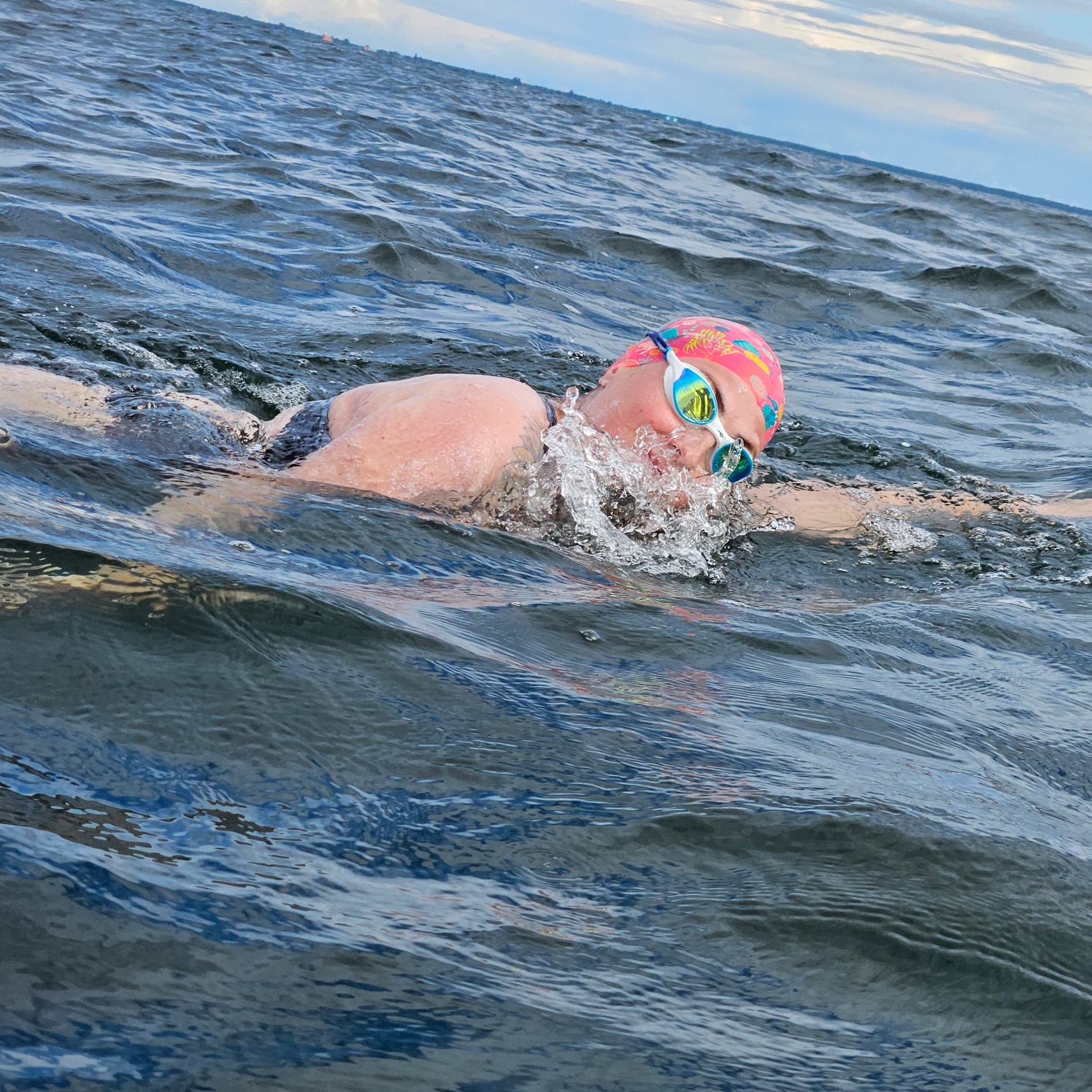
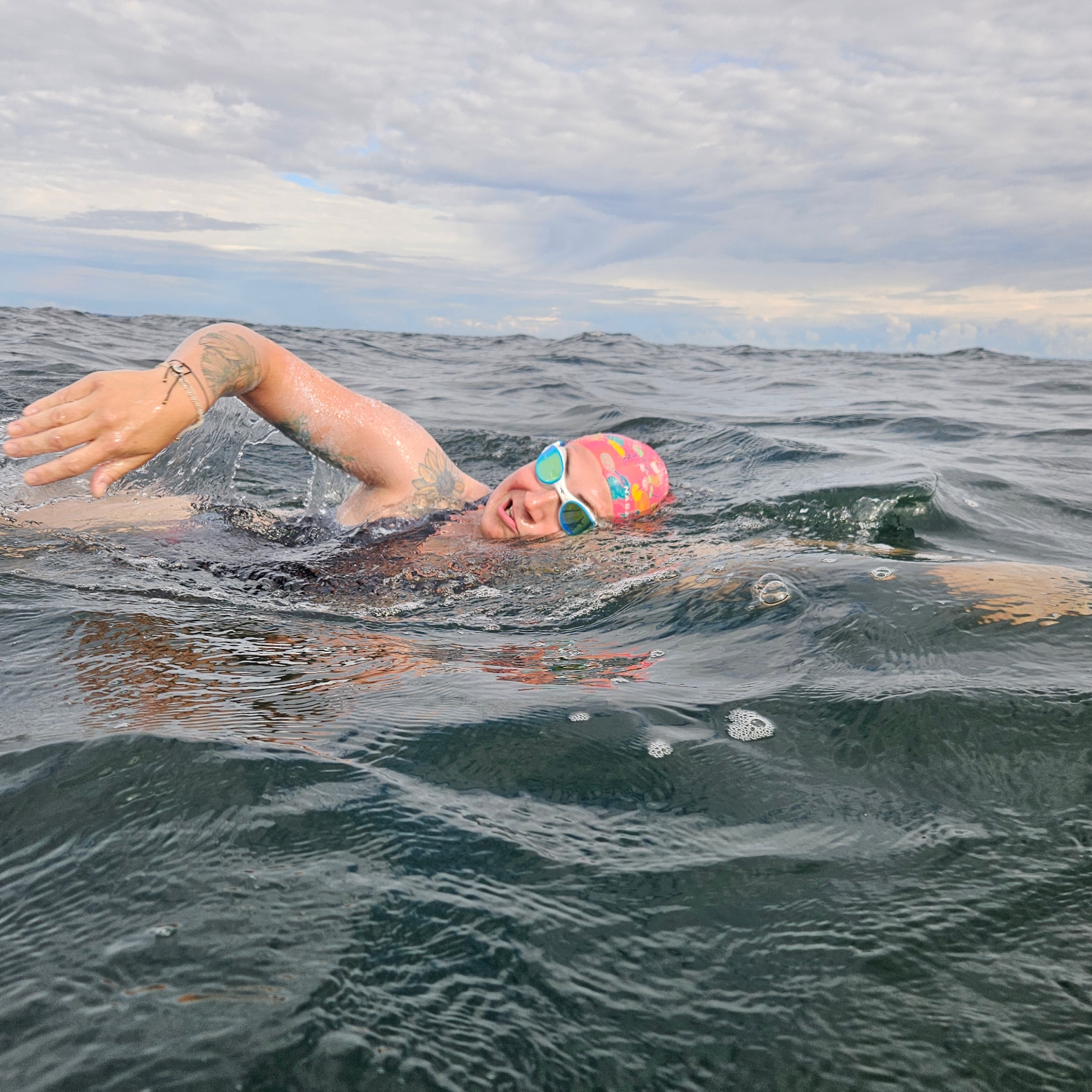
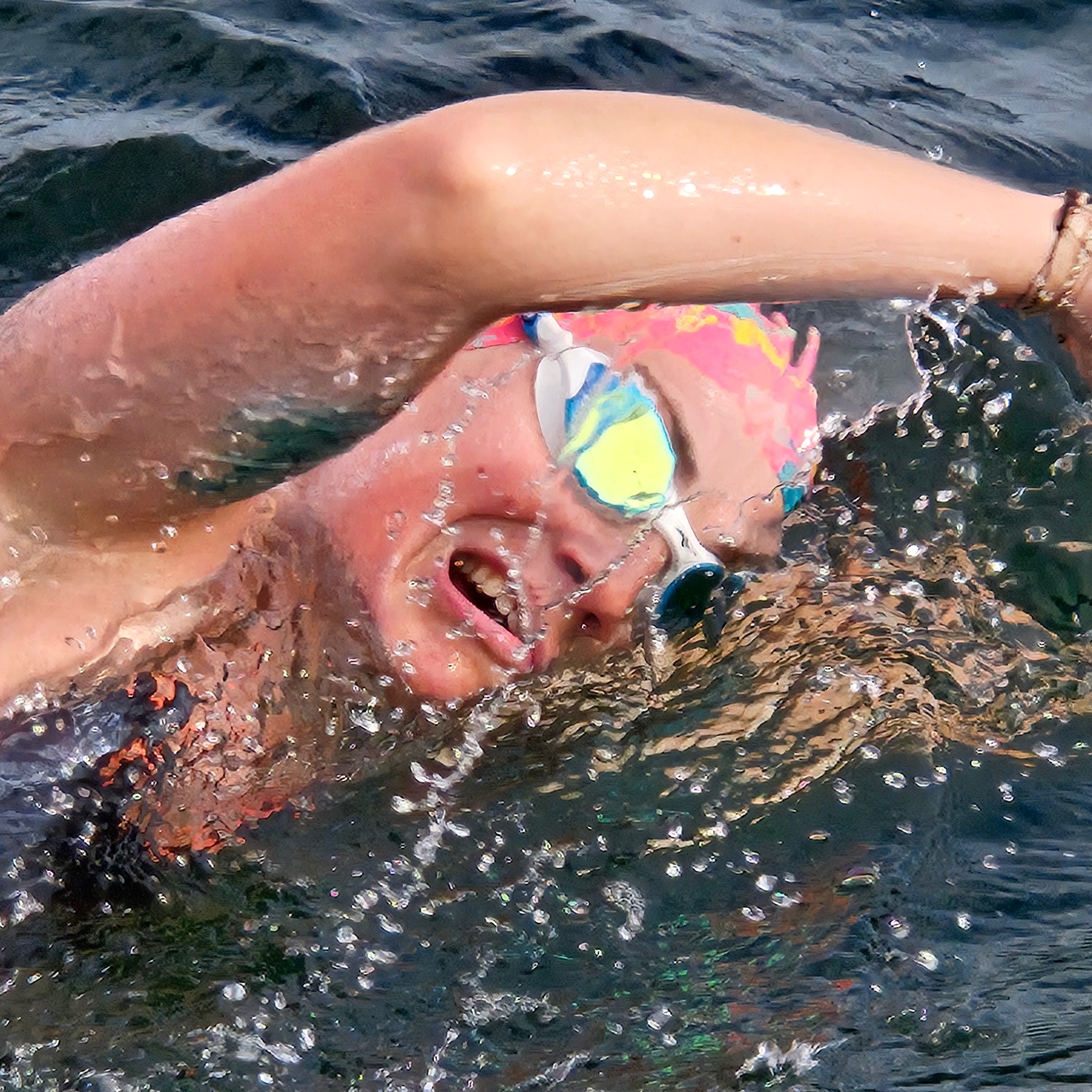
What I was most afraid of was shoulder pain, which often comes back during intense training, but in the end my biggest opponents were the cold and the waves. After a few feeds – I had them planned every half hour – it became harder and harder for me to take in gels or isotonic drinks – even broth didn’t help. A few hours of rocking and nausea tried to break me, but I didn’t give in! [smiles] The greatest pleasure was the awareness that every stroke was bringing me closer to Hel.
How did the equipment perform and what should you prepare?
I had tested all my gear beforehand, and that obviously paid off. For me, the most important thing in swimming – whether in the pool or over a long distance – is the goggles. They have to be perfect and comfortable; they can’t leak or fog up. Then I can focus on ticking off the next kilometres. [smiles] I went for the proven Vortex model, recommended by many experienced open-water swimmers and… it really didn’t let me down! I swam without a wetsuit, so apart from the goggles I was just wearing a tried-and-tested swimsuit and cap.
Why is it worth doing the crossing under the guidance of an experienced long-distance swimmer?
Does it give you a sense of safety before the swim, but also during it?
I can’t imagine swimming such a distance on my own. This isn’t a pool where I can stop and get out at any moment. In long-distance swimming you always need support. The Baltic Sea Beast team provides 100% care: an experienced crew, safety boat support, and a huge amount of practical knowledge. They have enough experience to share with a dozen swimmers. And that gives enormous peace of mind. You know you can focus on every arm stroke, and everything else is under control.
Do you plan to use this experience to promote swimming and raise awareness about water safety?
What lessons from this project can help with that?
I always pay attention to safety in the water, and this experience has only reinforced that. During open-water training I always use a safety buoy, and on lakes I check the bottom and don’t dive in headfirst. These are things that should be obvious, but still aren’t for everyone. On a daily basis I teach children and adults. I focus on making sure my students feel relaxed and confident in the water – that’s when swimming becomes a pleasure, not a source of stress.
Crossing the Gulf made me realise even more how important mental preparation and the ability to cope in difficult conditions are. That’s something I can pass on – both during training sessions and by encouraging more people to try their hand at open water, of course in safe conditions. Anyone who would like to take the first step – whether in the pool or already in the Gulf – is welcome to contact me. I run training sessions in Gdańsk. I help people structure their swimming so that it brings joy, a sense of safety, and satisfaction.
Interview by: Maciej Mazerant / Managing Editor of AQUA SPEED magazine
Photos: courtesy of Baltic Sea Beast
Recommended
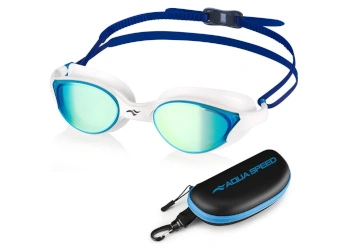
Aqua Speed Vortex Mirror Swimming Goggles + Case 51 – White

Clog flip-flops Aqua Speed Lora 10 - navy

Microfiber poncho for adults Aqua Speed 07 - black

Aqua Speed 34 pool sports bag - M - grey
AQUA SPEED Wave kickboard + figure eight learning board set 75
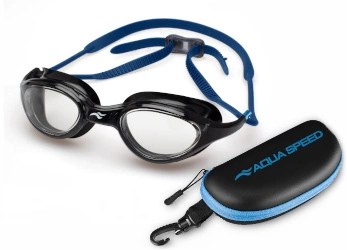
Aqua Speed Vortex Vision Swimming Goggles + Case 17 – Black & Blue